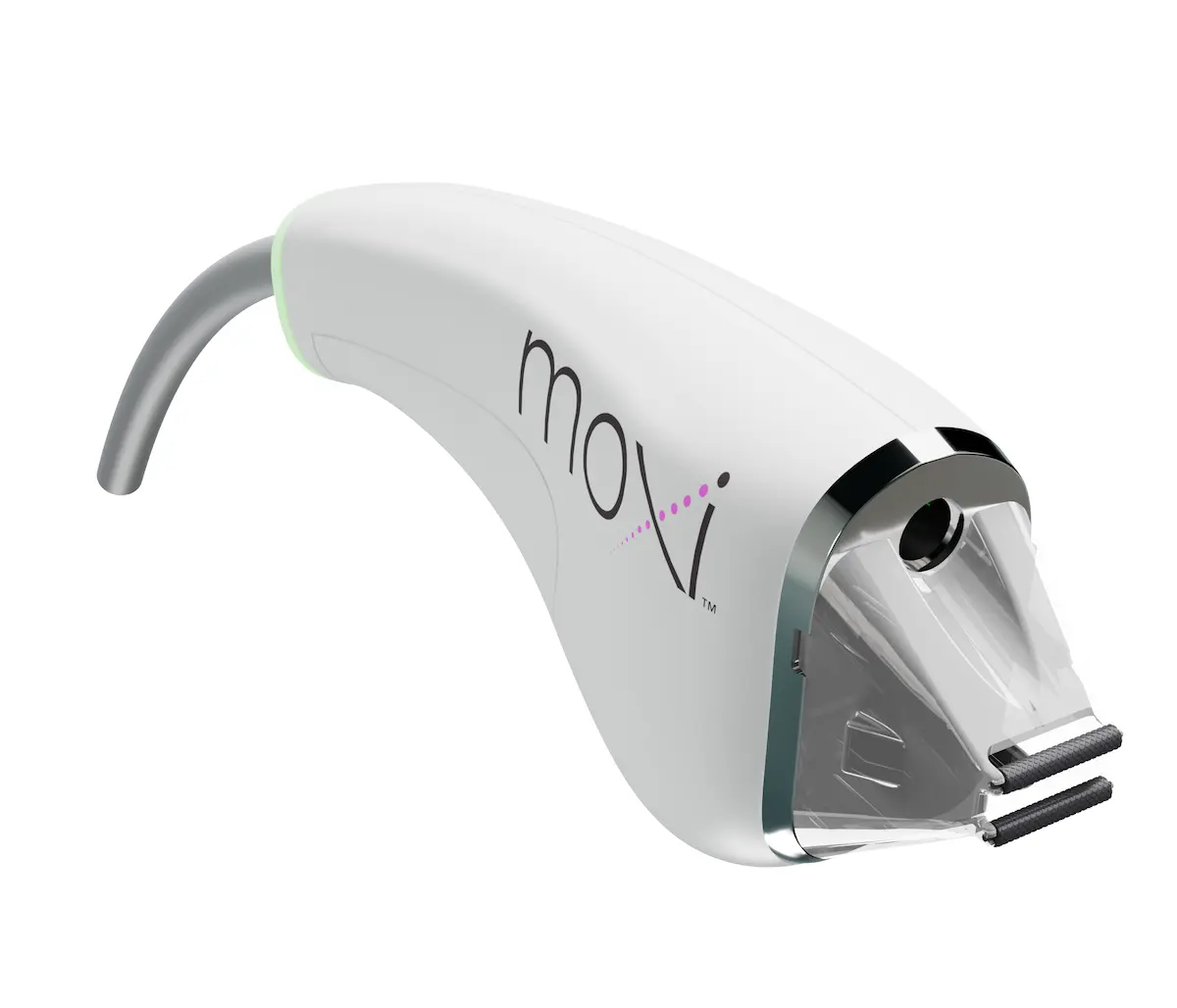
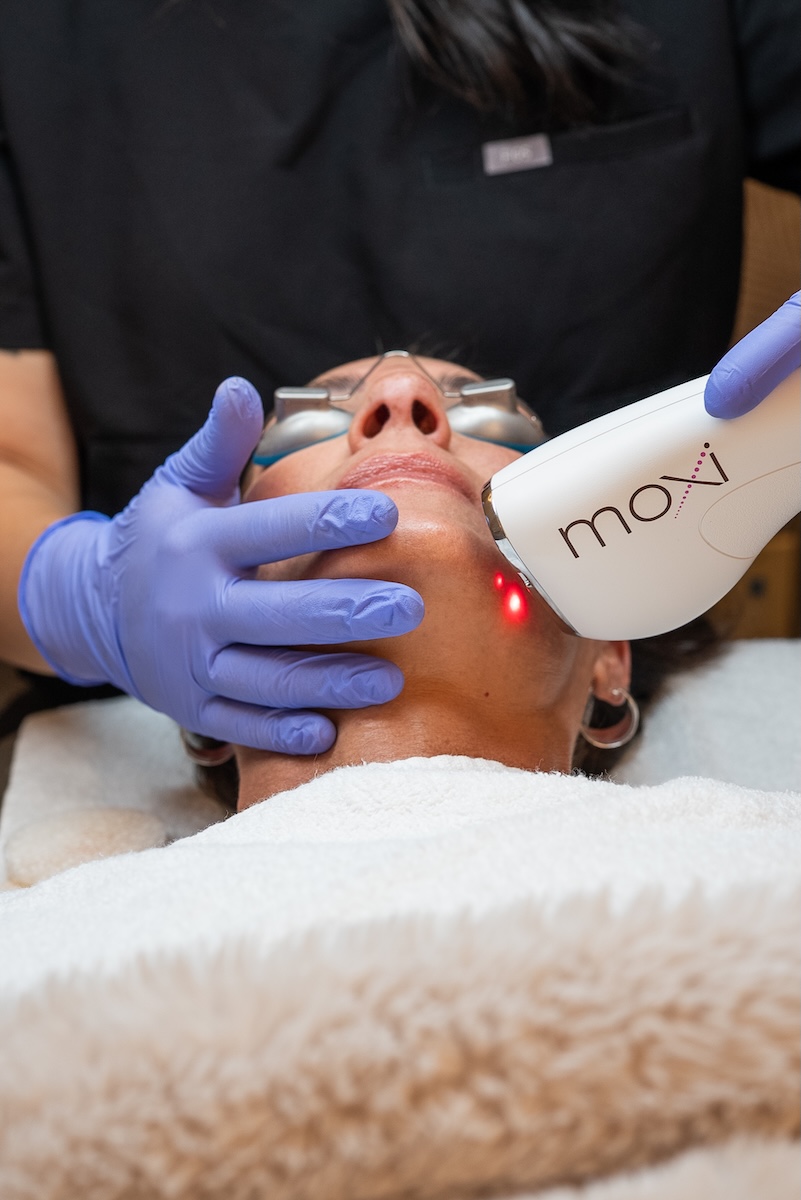
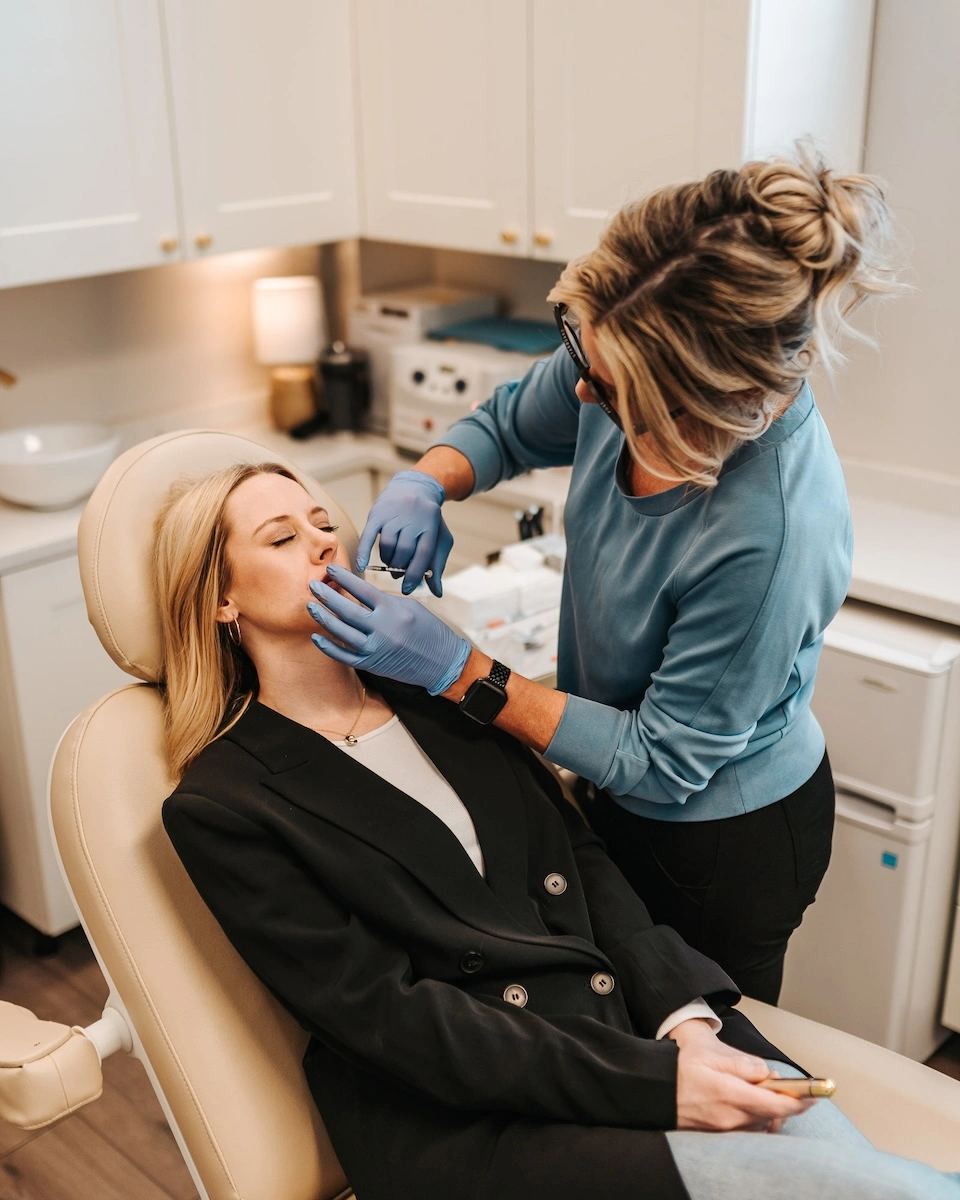
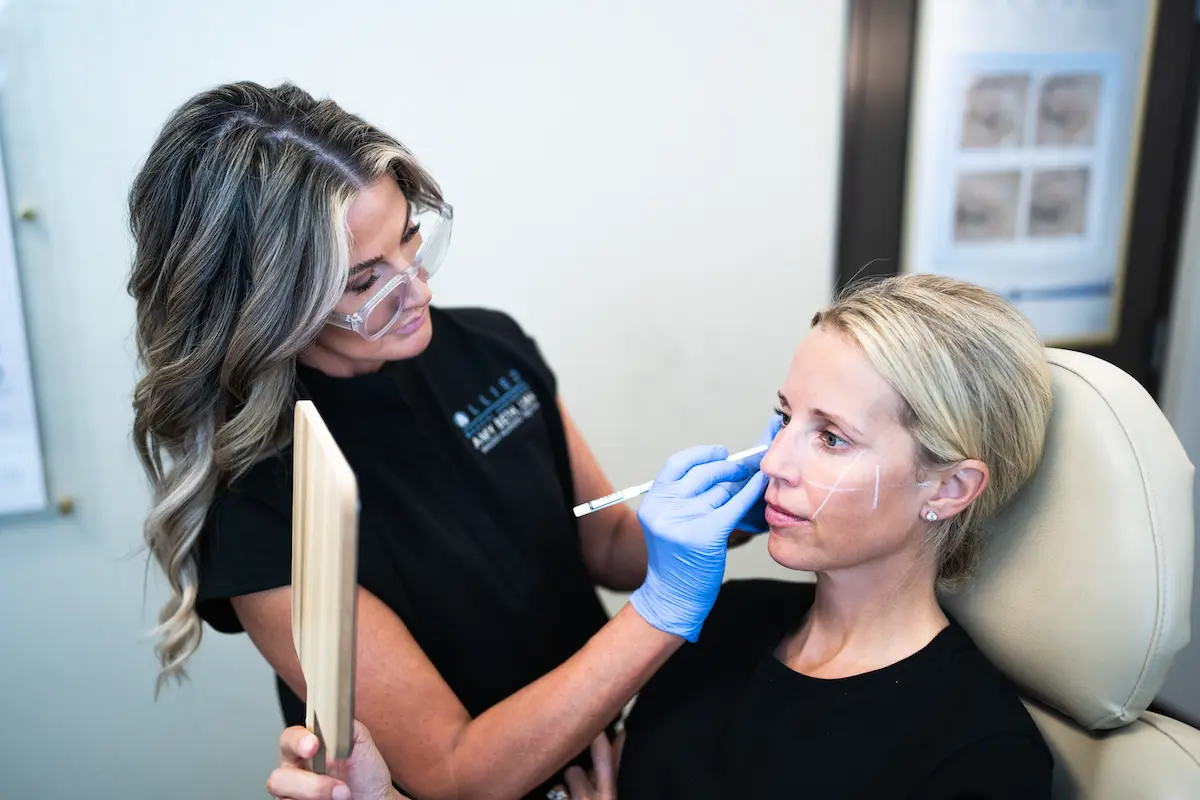
Allied Medical Aesthetics offers comprehensive microneedling treatments, including Traditional Microneedling, Radiofrequency (RF) Microneedling, and Microneedling with Platelet-Rich Plasma (PRP), to address various skin concerns and enhance overall skin health.
At Allied Medical Aesthetics, we offer several microneedling options to address different skin concerns. Traditional microneedling uses fine needles to create controlled micro-injuries in the skin, stimulating the body’s natural healing process and boosting collagen production for smoother texture and improved tone. Radiofrequency (RF) microneedling combines microneedling with radiofrequency energy, delivering gentle heat into deeper layers of the skin to encourage tightening and long-lasting rejuvenation. For enhanced results, microneedling with PRP incorporates platelet-rich plasma, applied during treatment to accelerate healing and stimulate deeper tissue regeneration for radiant, healthier skin.
Pause Active Topicals and Exfoliants (3–7 Days Prior): Stop using retinoids (Retin-A, tretinoin, retinol), exfoliating acids (AHAs, BHAs, glycolic, salicylic), vitamin C, and harsh scrubs. Because microneedling creates micro-channels in the skin, these ingredients can compromise the skin barrier and cause severe irritation or prolonged inflammation.
Avoid Sun Exposure, Tanning, and Hair Removal (1–2 Weeks Prior): Stay out of direct sunlight, tanning beds, and avoid self-tanners, as microneedling cannot be performed on sunburned or recently tanned skin. Additionally, halt waxing, tweezing, or depilatory creams in the target area to prevent pre-treatment skin damage.
Hold NSAIDs and Disclose Cold Sore History: Avoid anti-inflammatory medications like ibuprofen, aspirin, or naproxen for 3 days before your session. Microneedling relies on the body's natural inflammatory response to stimulate collagen, so anti-inflammatories can blunt treatment efficacy.(If you have a history of cold sores, notify your provider so they can prescribe a prophylactic antiviral, as needle punctures can trigger an outbreak).
Days 1 to 2: Redness and sensitivity are most noticeable
Days 3 to 5: Skin begins calming
Following weeks: Texture and overall skin quality may progressively improve
Contact us for severe pain, blistering, significant swelling, drainage, signs of infection, or persistent redness.